The Journey Begins
Becoming Orthodox Christian is not like signing up for a membership or switching denominations. It is entering into the fullness of the ancient Christian faith — a process that involves learning, prayer, worship, and transformation. The Orthodox Church does not rush this process, and neither should you.
There is no standard timeline for becoming Orthodox. Some journeys take six months, others take several years. The pace is set by you and your priest together, based on your readiness and understanding.
Step 1: Attend Services
The first step is simply showing up. Attend the Divine Liturgy on Sundays. Come to Vespers on Saturday evenings if you can. Let the worship wash over you before you try to analyze it. Orthodoxy is experienced before it is explained.
"Acquire the Spirit of Peace, and a thousand souls around you will be saved."
Step 2: Meet the Priest
After attending a few services, introduce yourself to the priest. Tell him you are interested in learning more about Orthodoxy. He will likely suggest:
- Regular attendance at services
- Reading materials appropriate to your background
- Joining a catechism or inquirers' class if one is available
- Meeting periodically for one-on-one conversations
What to Expect from Catechesis
Catechesis is the formal period of instruction before baptism or chrismation. Topics typically covered include:
- The Nicene Creed — what Orthodox Christians believe and why
- The Holy Trinity — Father, Son, and Holy Spirit
- The sacraments (mysteries) of the Church
- The liturgical life — services, fasting, prayer
- Church history — from the Apostles to the present
- Moral and ethical teaching
- The role of Scripture and Tradition
Step 3: The Catechumenate
At some point, your priest may formally enroll you as a catechumen. This is a liturgical act — there is a specific prayer service for the "making of a catechumen." From this point, you are formally recognized as someone preparing to enter the Church, and the community prays for you by name.
Step 4: Baptism and Chrismation
When you and your priest agree that you are ready, you will be received into the Church through the sacraments of Baptism and Chrismation (or Chrismation alone if you were previously baptized in the name of the Trinity).
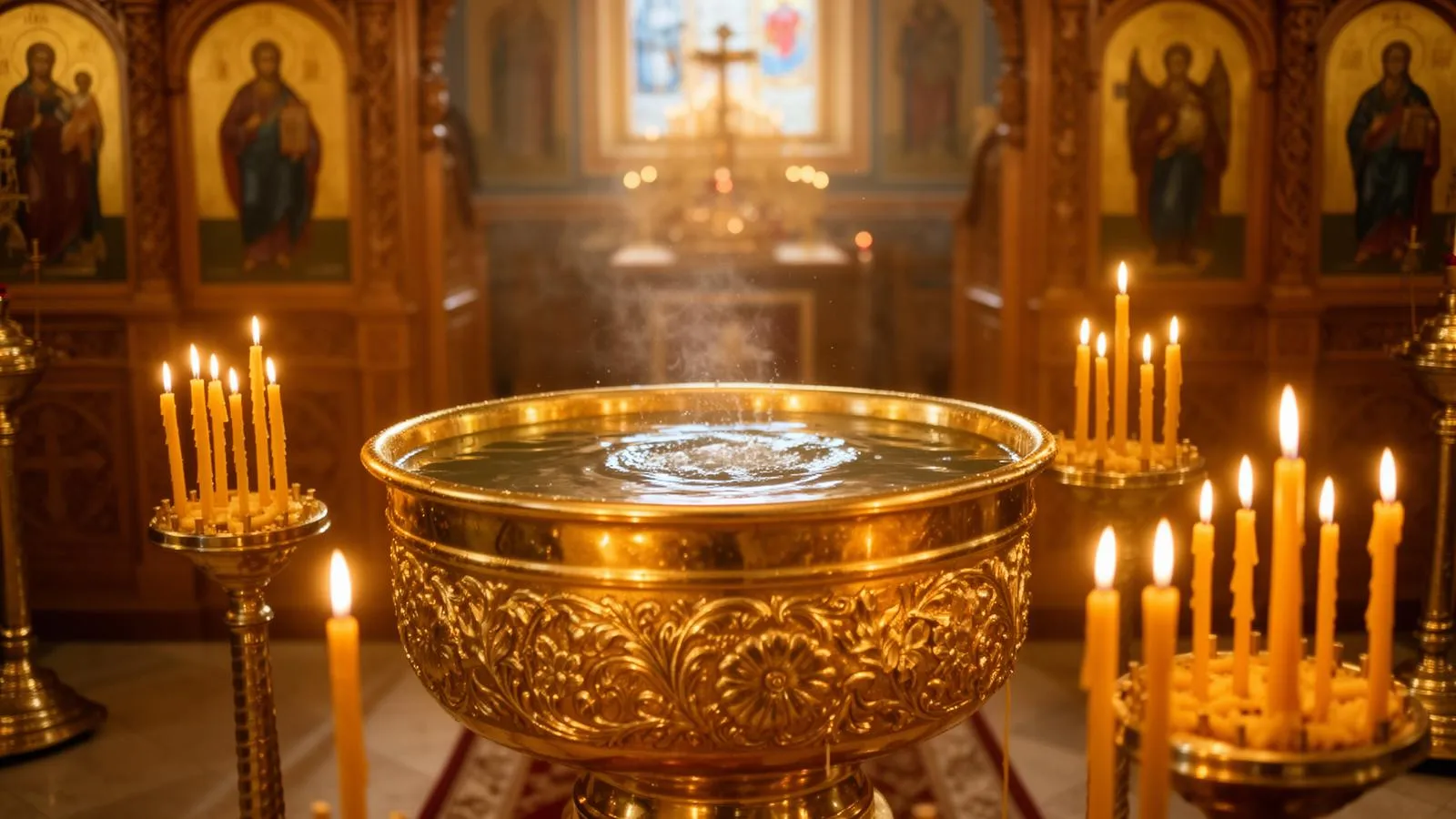
Baptism is full immersion in water — dying and rising with Christ. Chrismation is anointing with holy oil (chrism), sealing the gift of the Holy Spirit. Together, they are your entrance into the life of the Church.
You will also receive your first Holy Communion immediately after chrismation. This is one of the most profound moments in a person's spiritual life.
Step 5: Living the Faith
Becoming Orthodox is not the end of a journey but the beginning of one. The Orthodox life is structured around:
- Daily prayer — morning and evening prayers from the prayer book
- Fasting — Wednesdays, Fridays, and the four major fasting seasons
- Regular Communion — with preparation through fasting, prayer, and confession
- Participation in parish life — fellowship, service, and community
Your priest is your spiritual guide. Regular confession and honest conversation with your priest are central to Orthodox life. Don't try to navigate the faith alone.
Common Concerns
Contributing Writer
Fr. David is a priest in the Antiochian Archdiocese serving a parish in the Midwest. He writes about worship, parish life, and practical guidance for converts and catechumens.
Continue Reading
What to Expect at Your First Orthodox Church Visit
Walking into an Orthodox church for the first time can be overwhelming — the icons, the incense, the chanting. Here's a friendly guide to help you feel at home.
10 Books Every Orthodox Inquirer Should Read
Starting your journey into Orthodoxy? These ten books — from introductory to inspiring — will help you understand the faith and fall in love with it.
Orthodox Fasting for Beginners: Rules, Seasons, and Practical Tips
Fasting is central to Orthodox spiritual life, but the rules can seem daunting. Learn the basics and how to start with your priest's guidance.
Stay on the Path
Get weekly Orthodox insights, feast day guides, and parish spotlights delivered to your inbox.
No spam. Unsubscribe anytime.