Why Do Orthodox Christians Fast?
Fasting in the Orthodox Church is not a diet or a punishment. It is a spiritual discipline — a way of training the body and soul to focus on God rather than on physical appetites. The Church Fathers consistently teach that fasting, combined with prayer and almsgiving, is one of the three pillars of the spiritual life.
"Fasting is the change of every part of our life, because the sacrifice of the fast is not the abstinence but the distancing from sins."
The Basic Rules
Orthodox fasting generally means abstaining from:
- Meat (including poultry)
- Dairy (milk, cheese, butter, eggs)
- Fish (though this is relaxed on many days)
- Wine and oil (on stricter fast days)
On most fasting days, the faithful eat a vegan diet with oil and wine permitted. On stricter days (typically Wednesdays and Fridays of Great Lent), even oil and wine are avoided.
These are the Church's guidelines, not legalistic requirements. Your priest can help you determine a fasting rule that is appropriate for your health, circumstances, and spiritual maturity. The goal is growth, not guilt.
The Fasting Seasons
The Orthodox Church has four major fasting periods:
- Great Lent — 40 days before Holy Week and Pascha (the strictest fast)
- Apostles' Fast — varies in length, begins after Pentecost
- Dormition Fast — August 1–14, before the Dormition of the Theotokos
- Nativity Fast — November 15 – December 24, before Christmas
In addition, Orthodox Christians fast every Wednesday (commemorating Christ's betrayal) and Friday (commemorating the Crucifixion) throughout the year, except during fast-free weeks.
Practical Tips for Getting Started
Start Small
If you are new to fasting, do not try to follow the full monastic rule immediately. A common approach for beginners:
- Week 1: Give up meat on Wednesdays and Fridays
- Week 2: Add dairy to the Wednesday/Friday fast
- Week 3: Try a full vegan fast on those days
- Gradually: Extend to the fasting seasons as you are able
Stock Your Kitchen
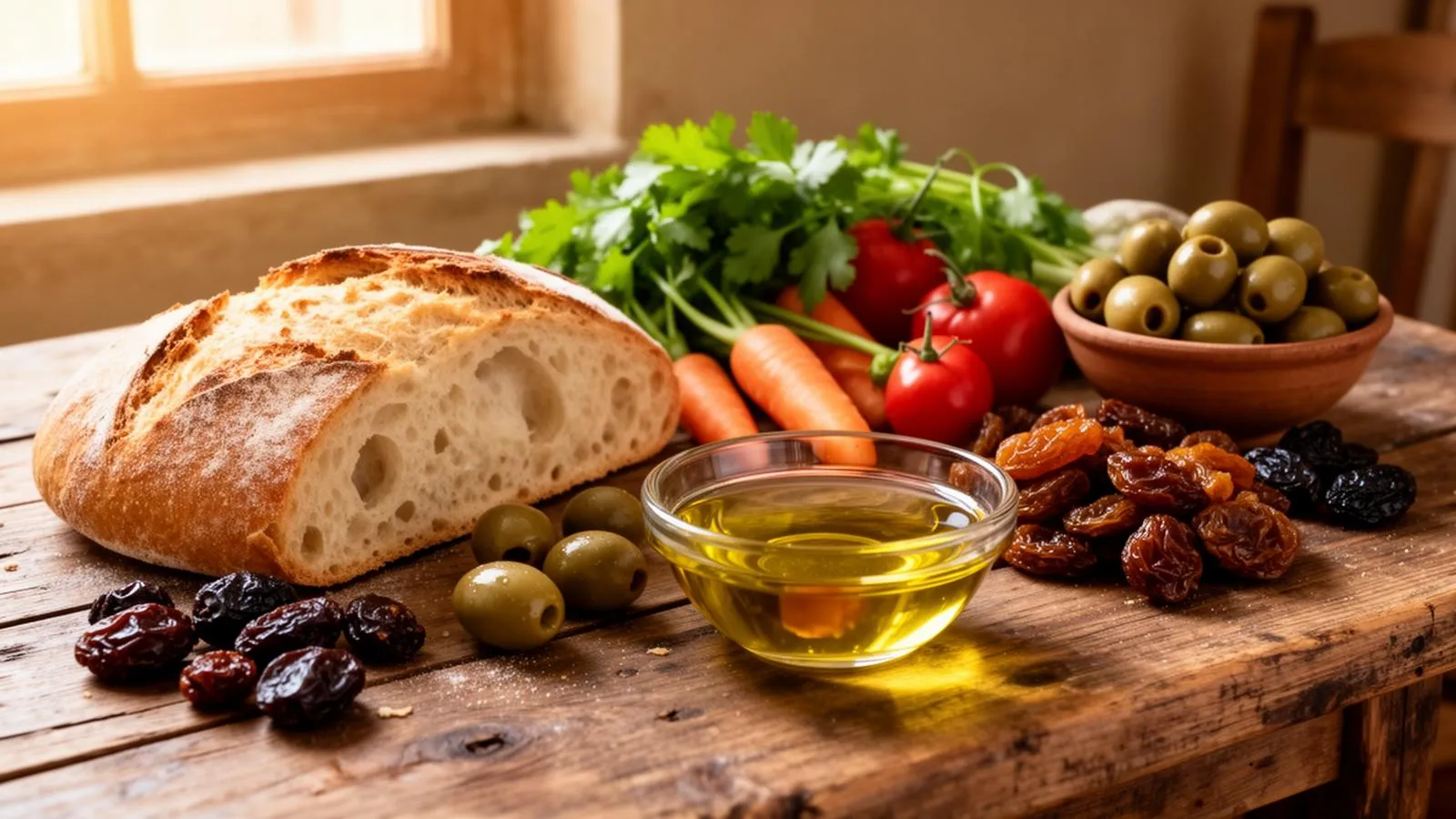
Fasting is much easier when your pantry is prepared. Keep on hand:
- Beans, lentils, and chickpeas
- Rice, pasta, and bread (check for eggs/dairy)
- Vegetables — fresh, frozen, and canned
- Fruits and nuts
- Olive oil and tahini
- Hummus and other bean spreads
Many traditional Orthodox cuisines (Greek, Middle Eastern, Russian) have centuries of fasting recipes. Explore them — fasting food can be delicious, not just tolerable.
Don't Fast Alone
Fasting is a communal discipline. It is much harder — and less meaningful — when done in isolation. Attend services during fasting seasons, especially the Presanctified Liturgies during Great Lent. Share fasting meals with fellow parishioners. Talk to your priest about your struggles.
Before beginning any fasting practice, talk to your priest. He can help you set a realistic and spiritually productive fasting rule. Fasting beyond your ability can lead to pride or burnout — both of which defeat the purpose.
Senior Writer
Maria is a lifelong Orthodox Christian and writer covering faith, liturgical life, and the journey of seekers exploring the ancient Church. She holds a degree in theology from St. Vladimir's Seminary.
Continue Reading
How to Pray the Jesus Prayer
The Jesus Prayer is the simplest and most profound prayer in Orthodox tradition. Learn how to begin this ancient practice of unceasing prayer.
What Is Great Lent? The Orthodox Guide to the Lenten Journey
Great Lent is the most intense spiritual season in the Orthodox year. Learn what it is, how it works, and how to make the most of this sacred time.
What to Expect at Your First Orthodox Church Visit
Walking into an Orthodox church for the first time can be overwhelming — the icons, the incense, the chanting. Here's a friendly guide to help you feel at home.
Stay on the Path
Get weekly Orthodox insights, feast day guides, and parish spotlights delivered to your inbox.
No spam. Unsubscribe anytime.