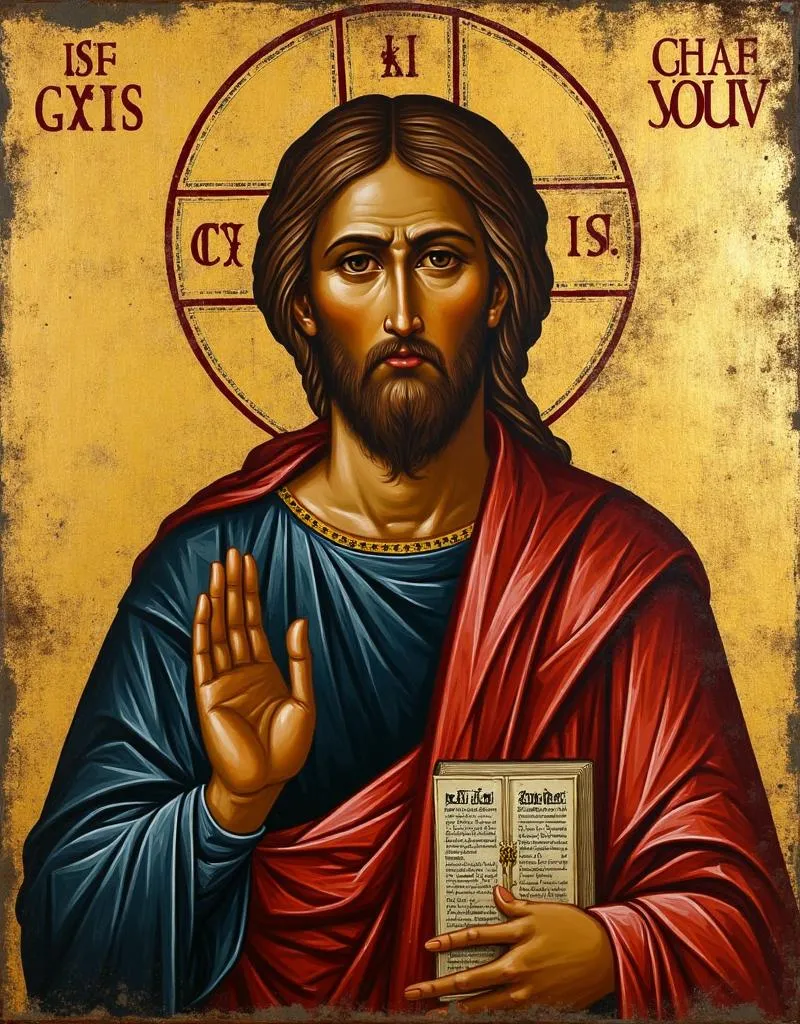
Christ Pantocrator
Christ · Pantocrator
6th century · Constantinople
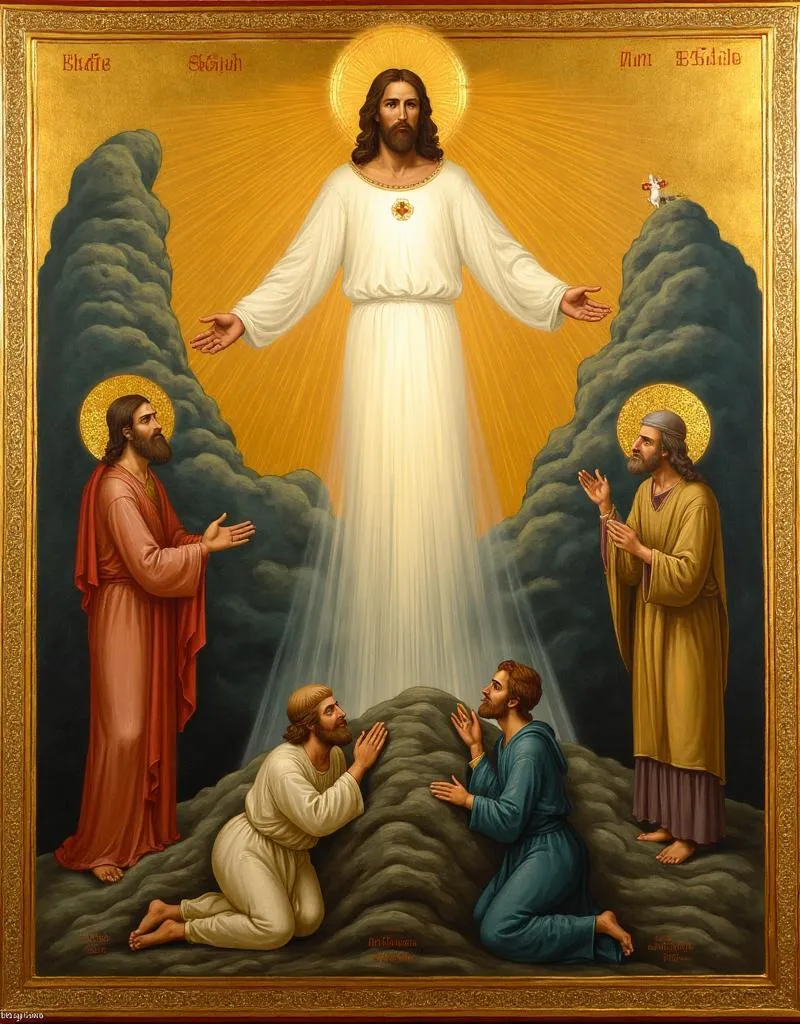
The Transfiguration of Christ
Christ
15th century · Russian
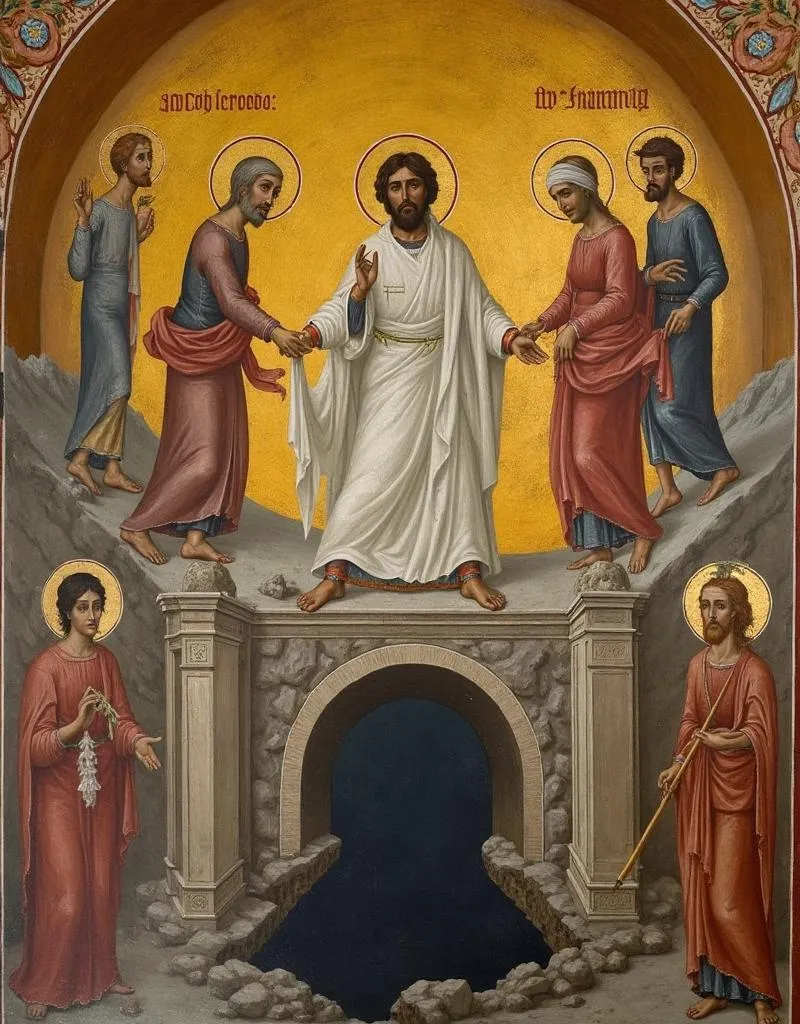
The Resurrection (Anastasis)
Christ
14th century · Constantinople
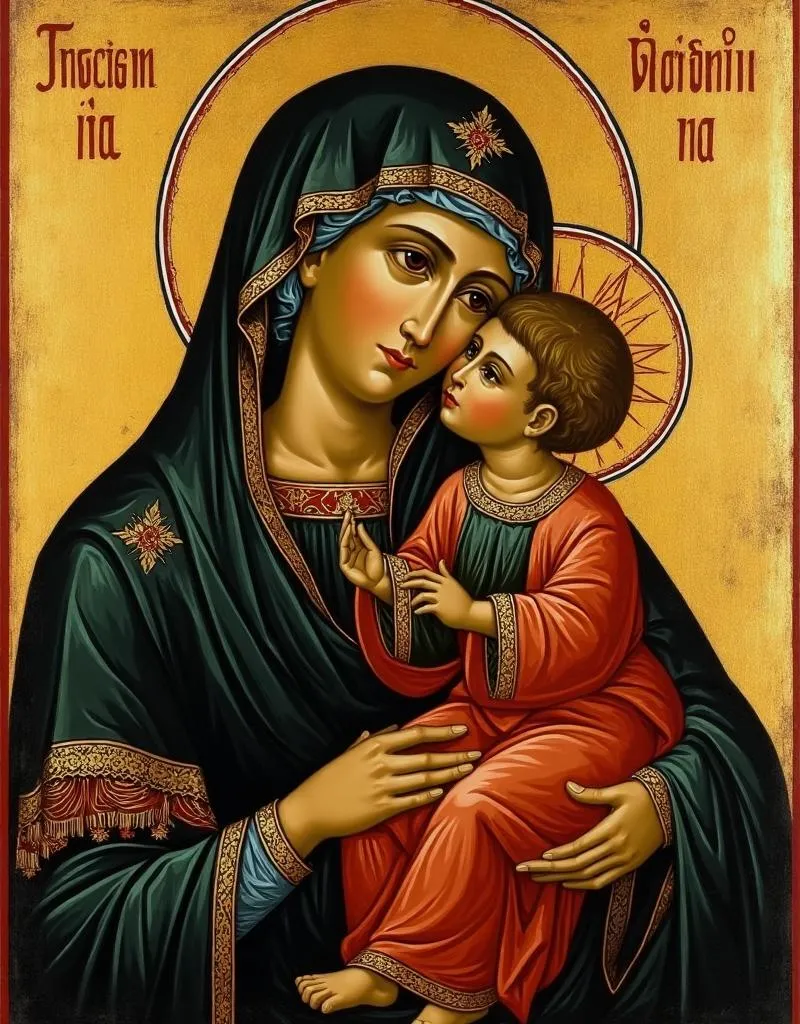
Our Lady of Vladimir
Theotokos · Eleousa
12th century · Constantinople
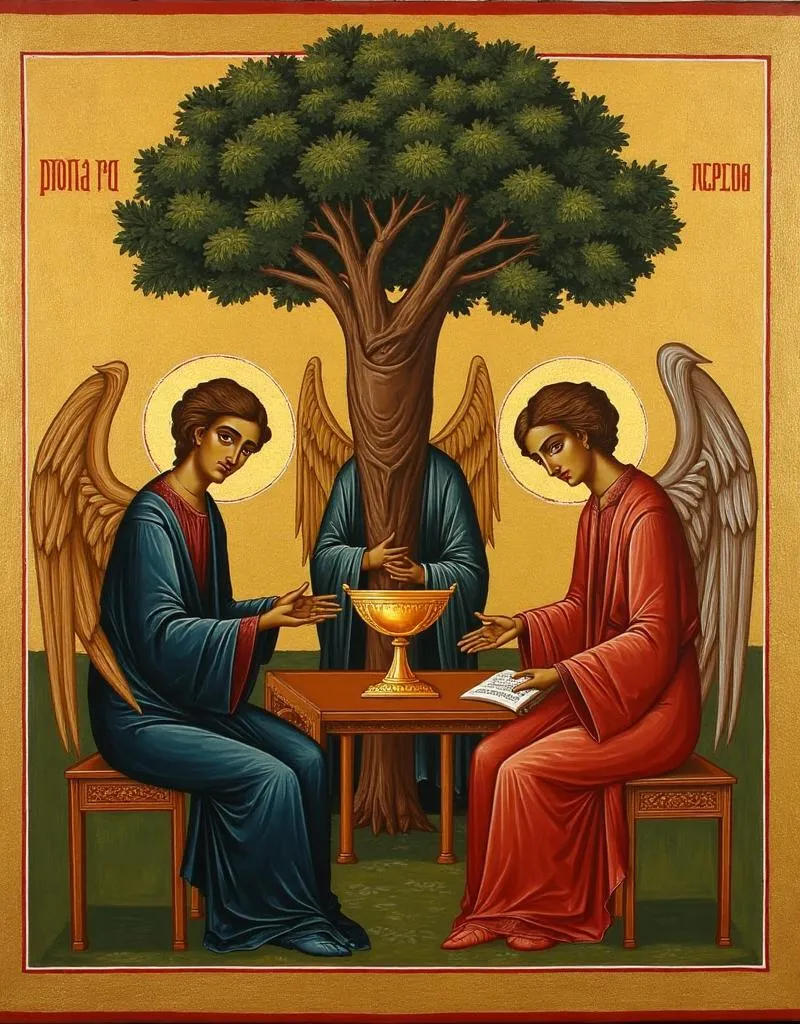
The Holy Trinity (Hospitality of Abraham)
Trinity
15th century · Russian
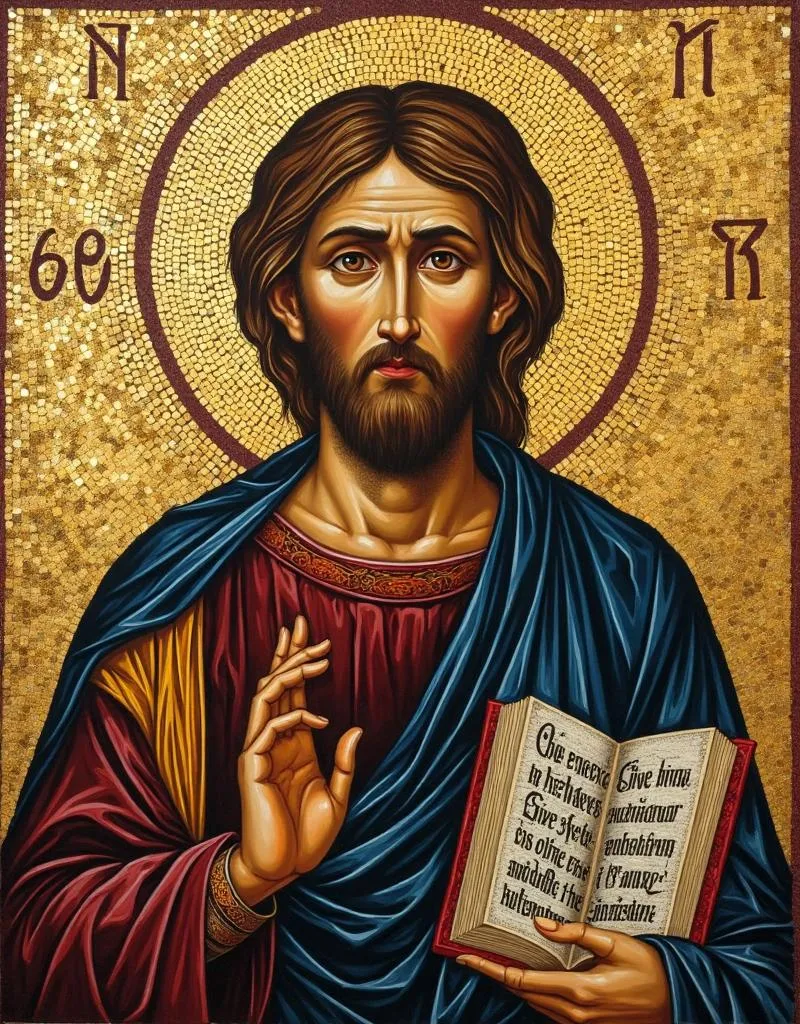
Christ Pantocrator
Christ · Pantocrator
12th century · Constantinople
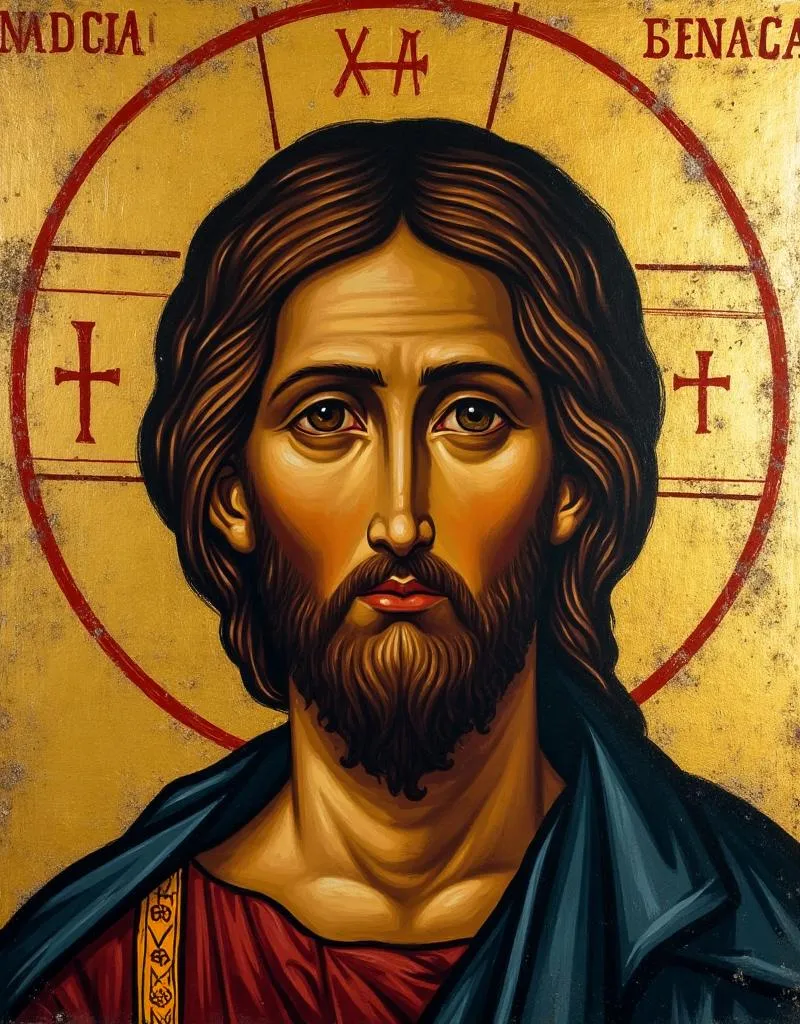
The Holy Face (Mandylion)
Christ · Mandylion
10th century · Byzantine
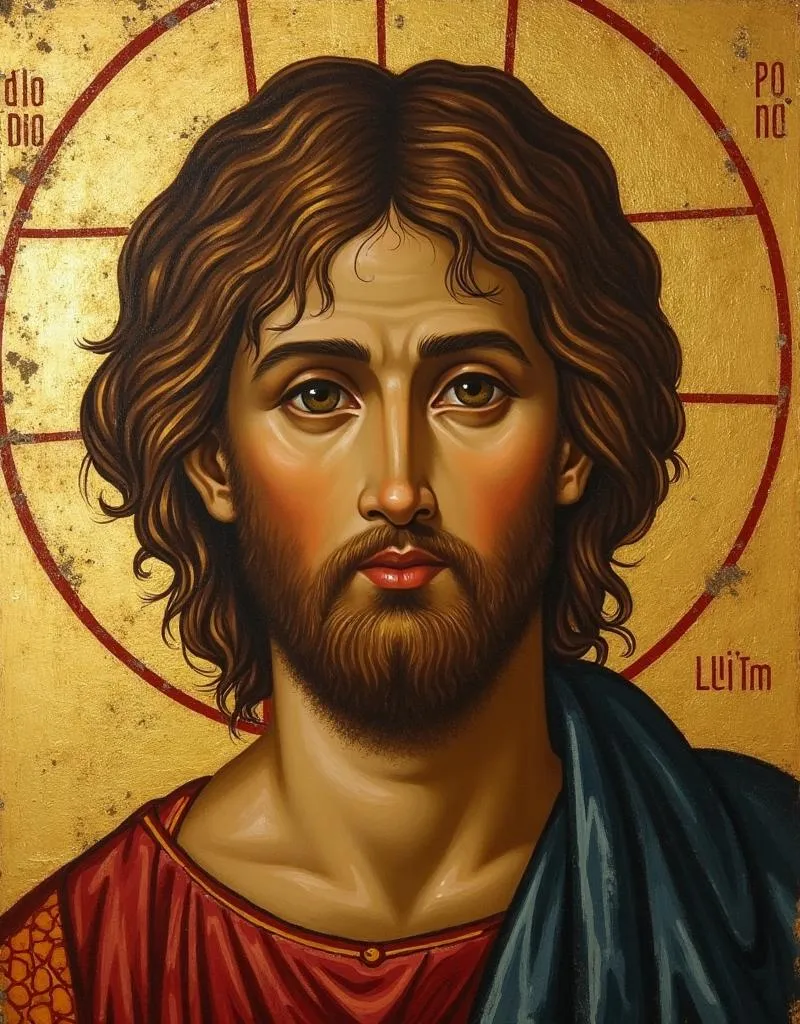
Christ Emmanuel
Christ · Emmanuel
12th century · Byzantine
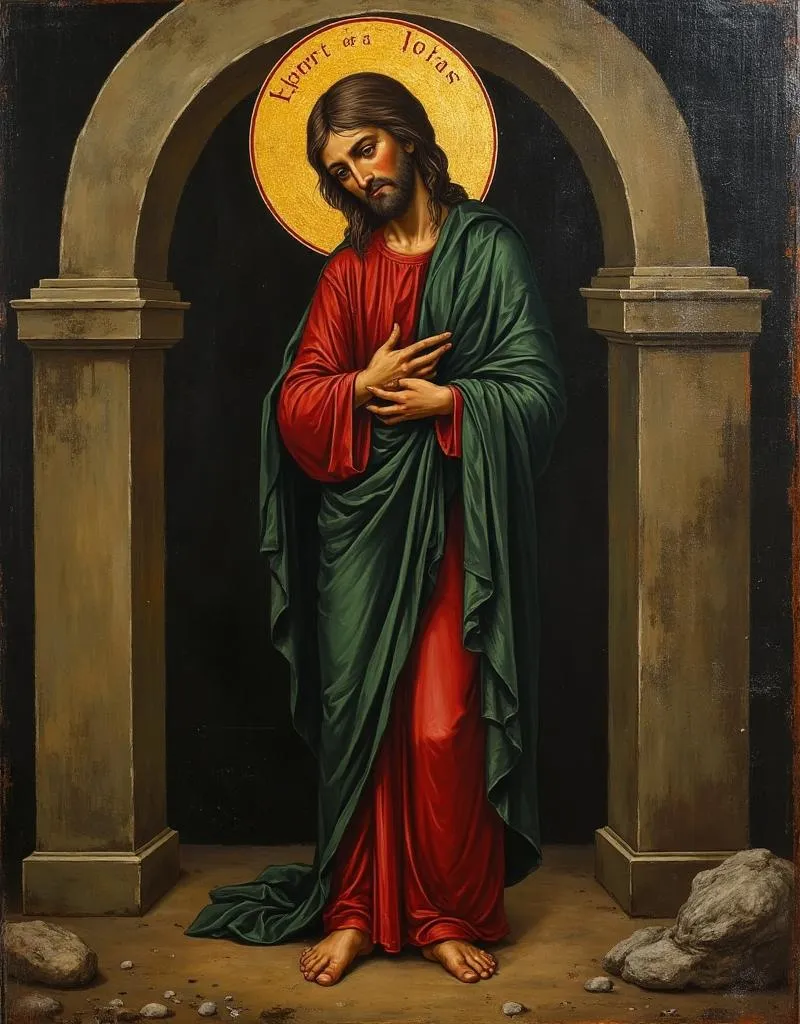
Christ in Extreme Humility
Christ · Extreme-humility
14th century · Byzantine
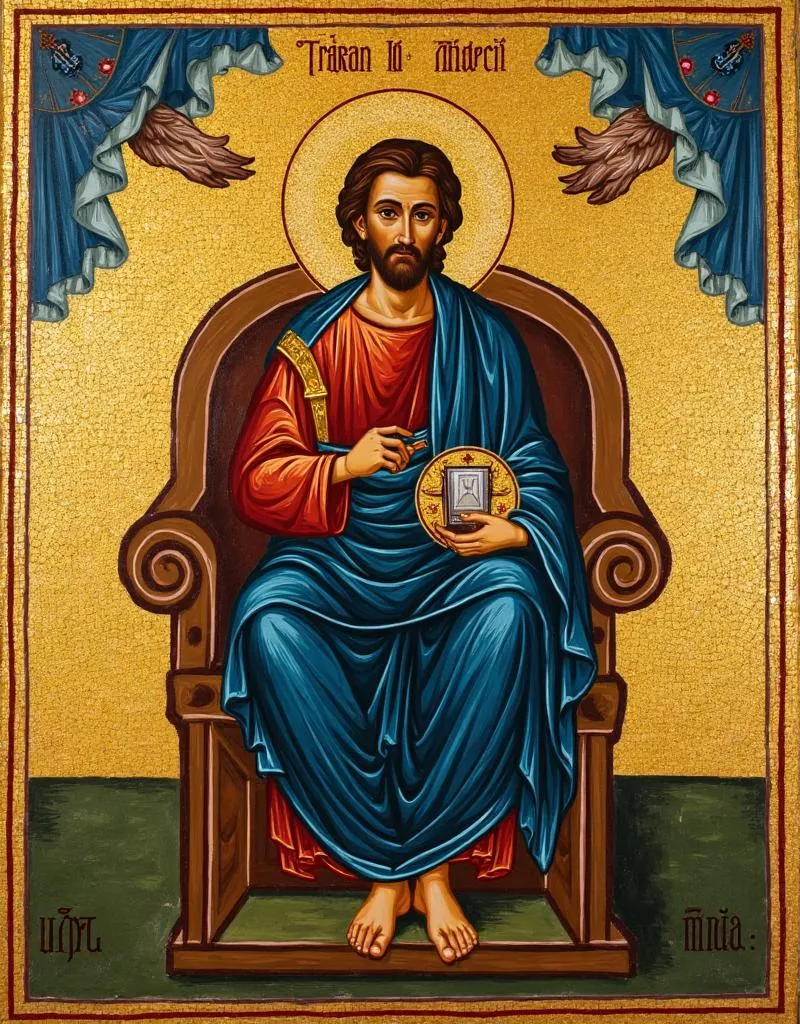
Christ Enthroned in Glory
Christ · Enthroned
11th century · Byzantine
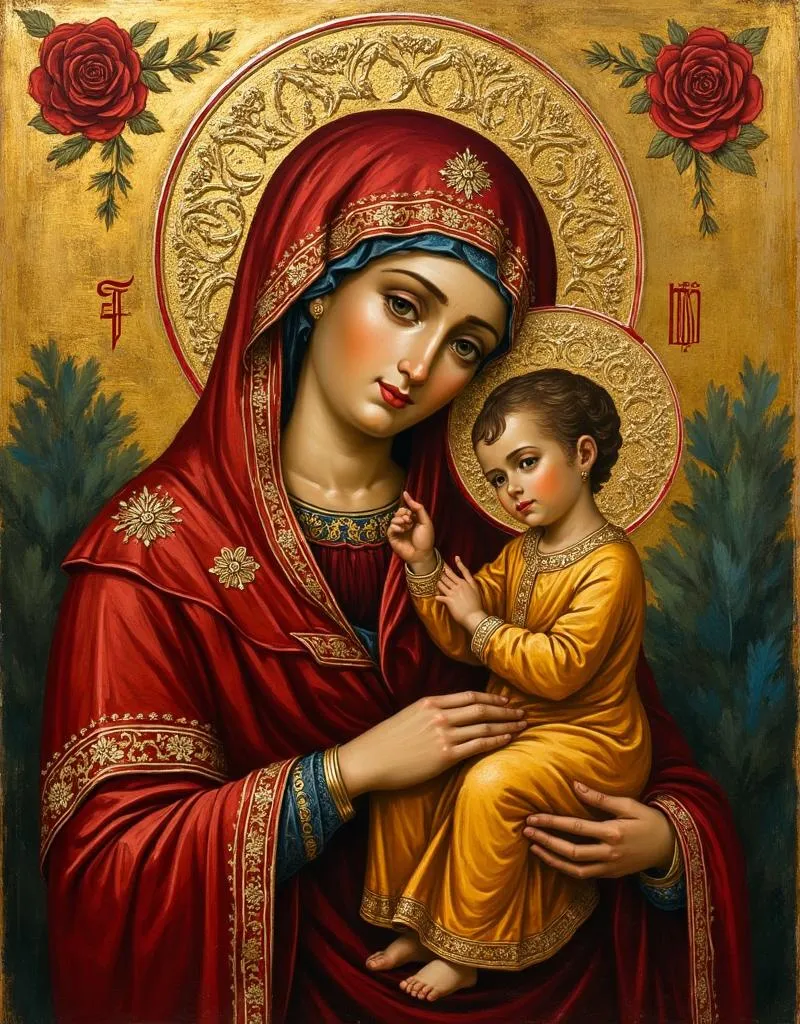
Our Lady of Kazan
Theotokos · Hodegetria
16th century · Russian
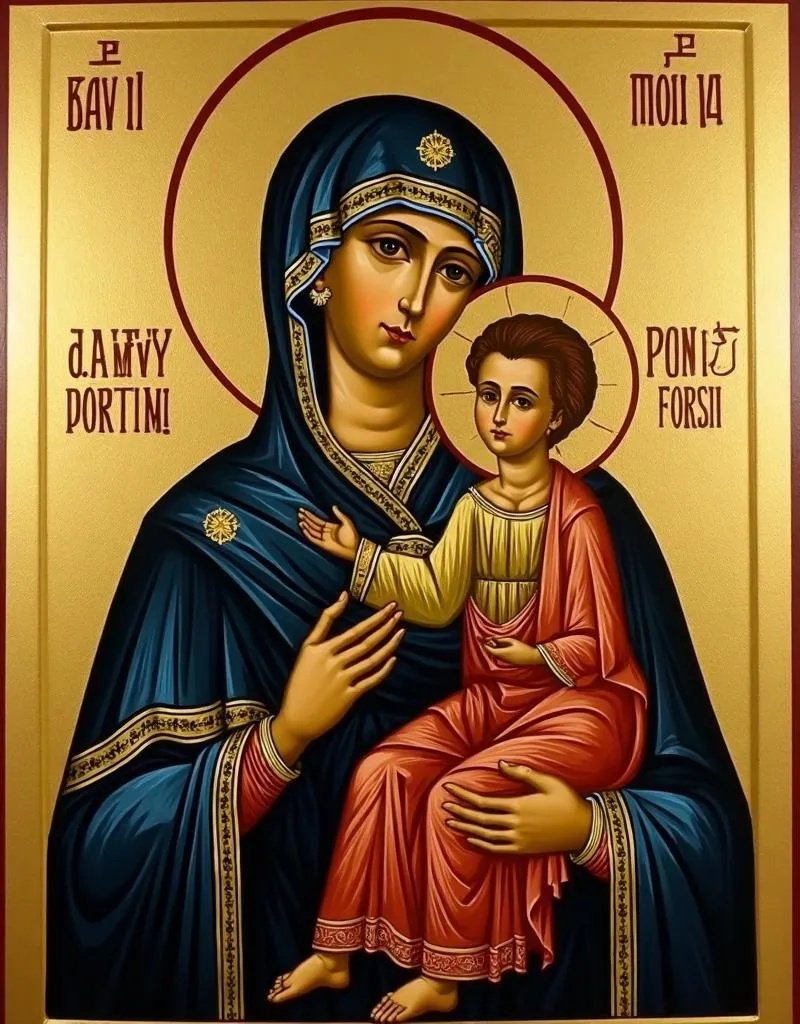
Our Lady of Iveron
Theotokos · Hodegetria
9th century · Byzantine
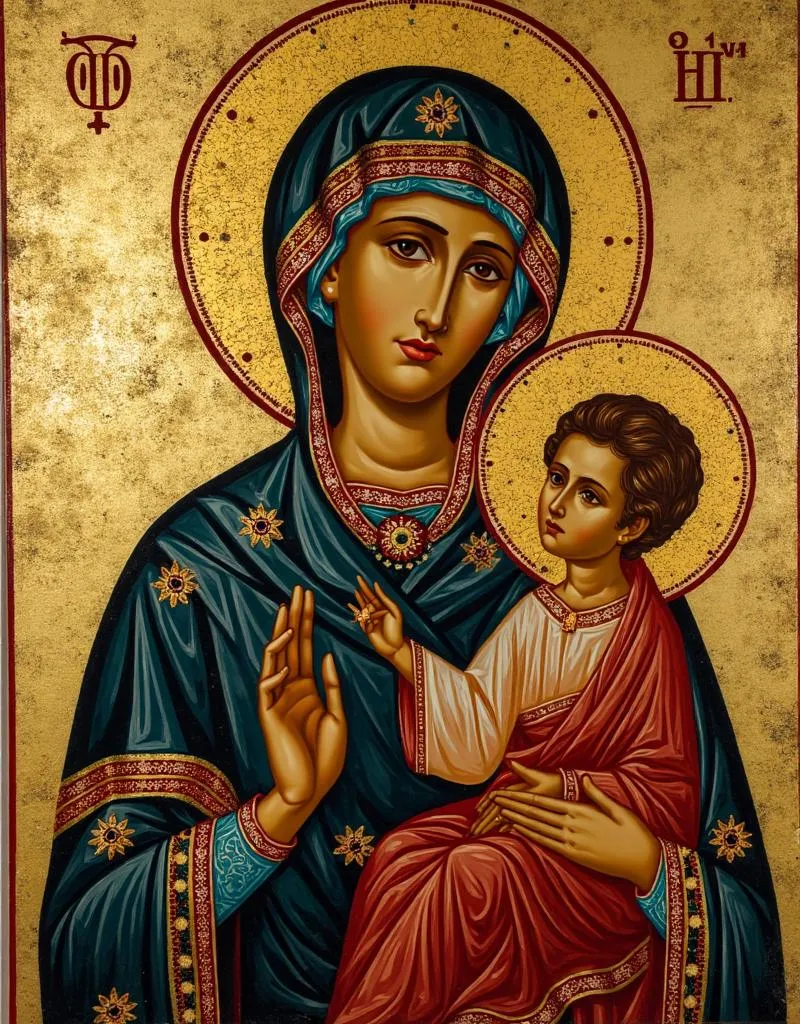
More Spacious Than the Heavens
Theotokos · Platytera
11th century · Byzantine
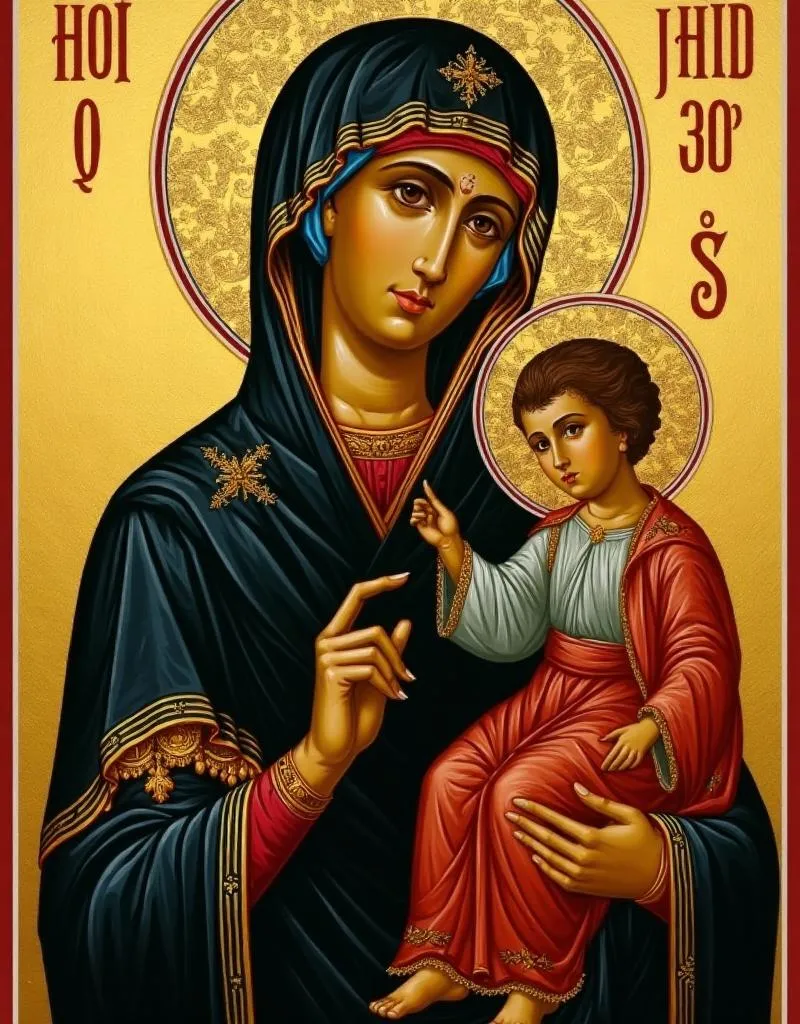
She Who Shows the Way
Theotokos · Hodegetria
5th century (type) · Constantinople
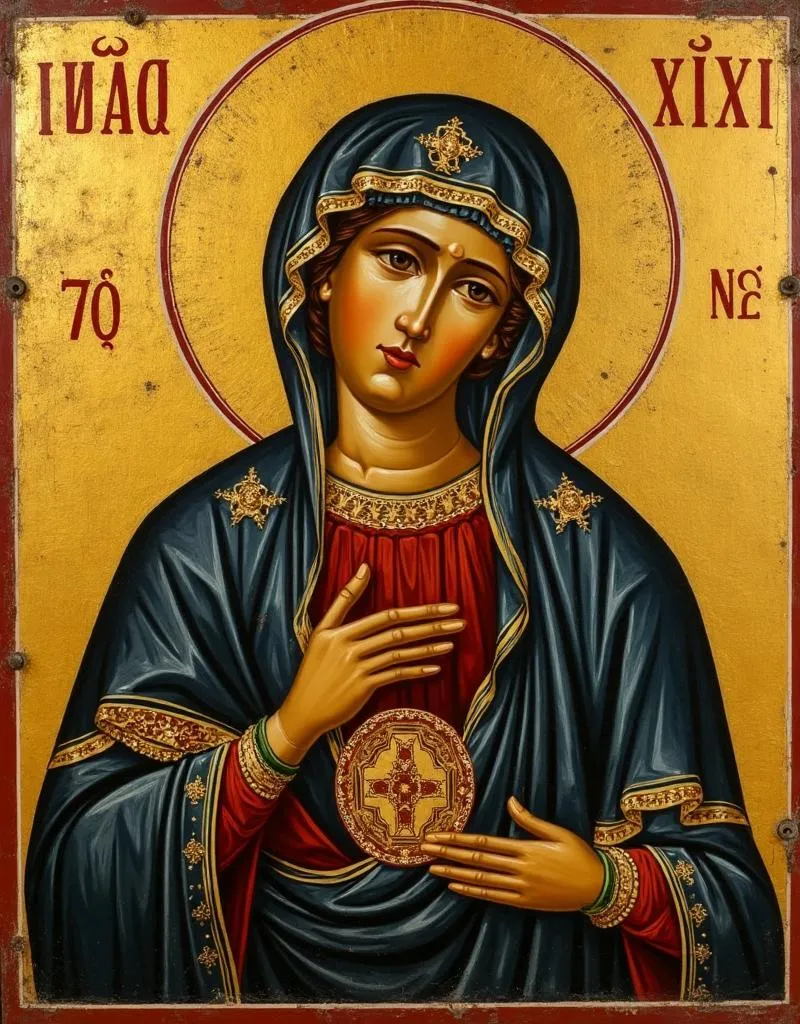
Our Lady of the Sign
Theotokos · Oranta
12th century · Novgorod
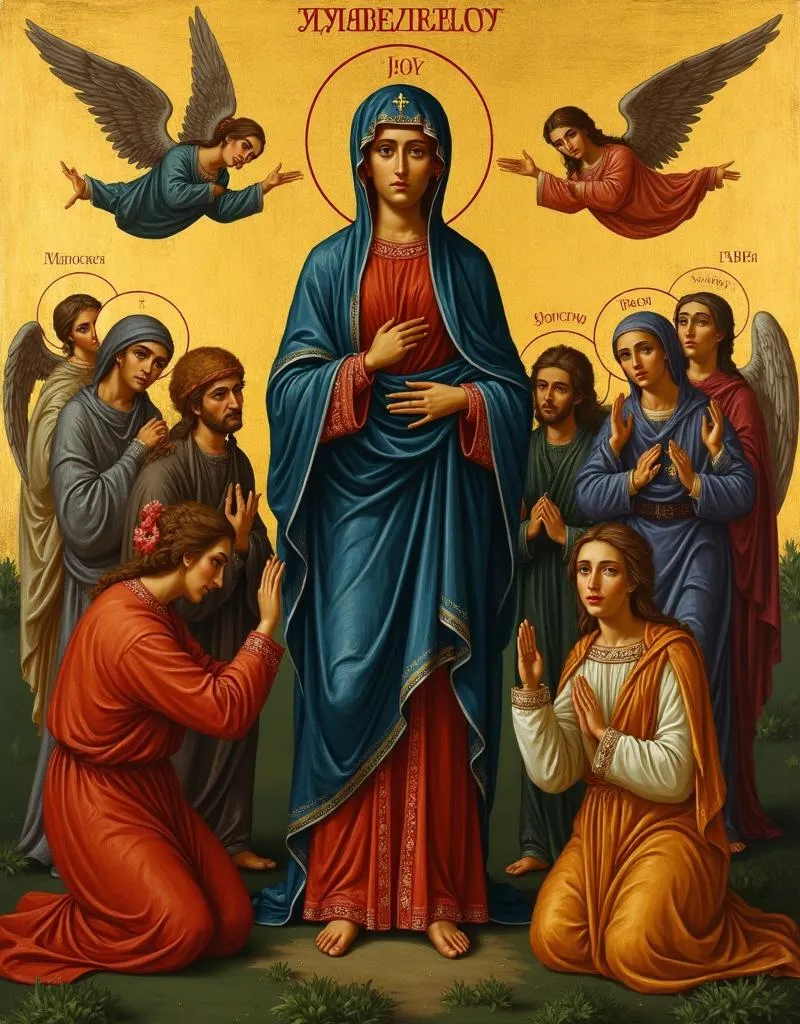
Joy of All Who Sorrow
Theotokos
17th century · Russian
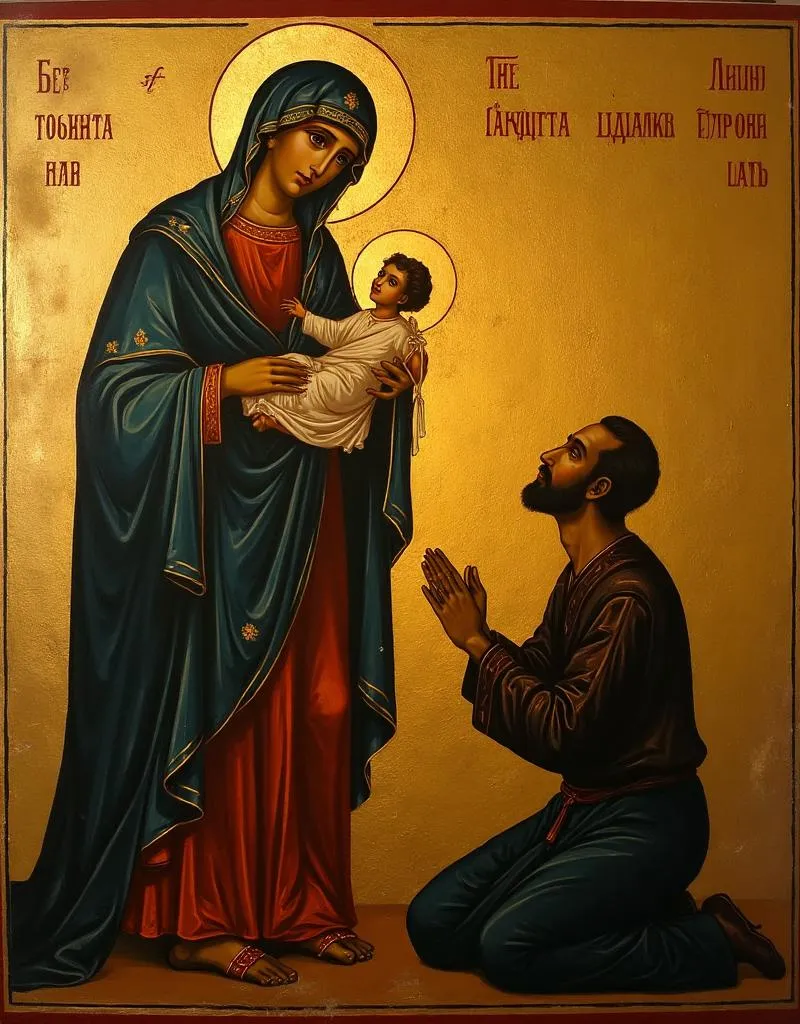
Unexpected Joy
Theotokos
18th century · Russian
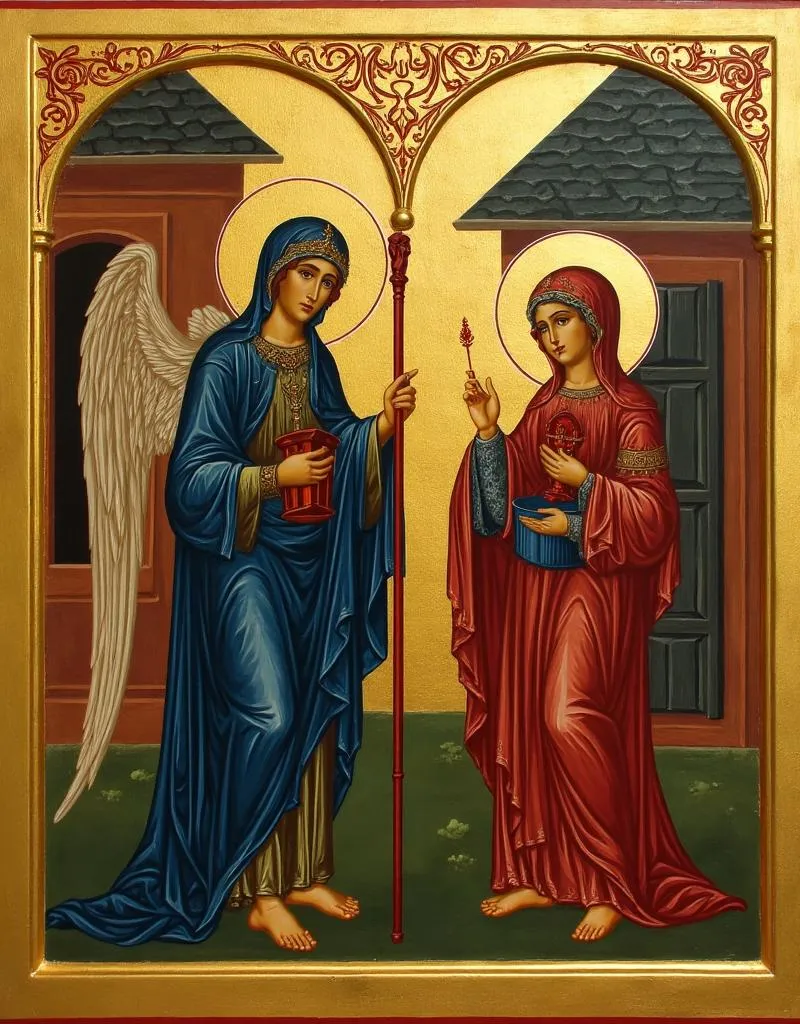
The Annunciation
Theotokos
14th century · Byzantine
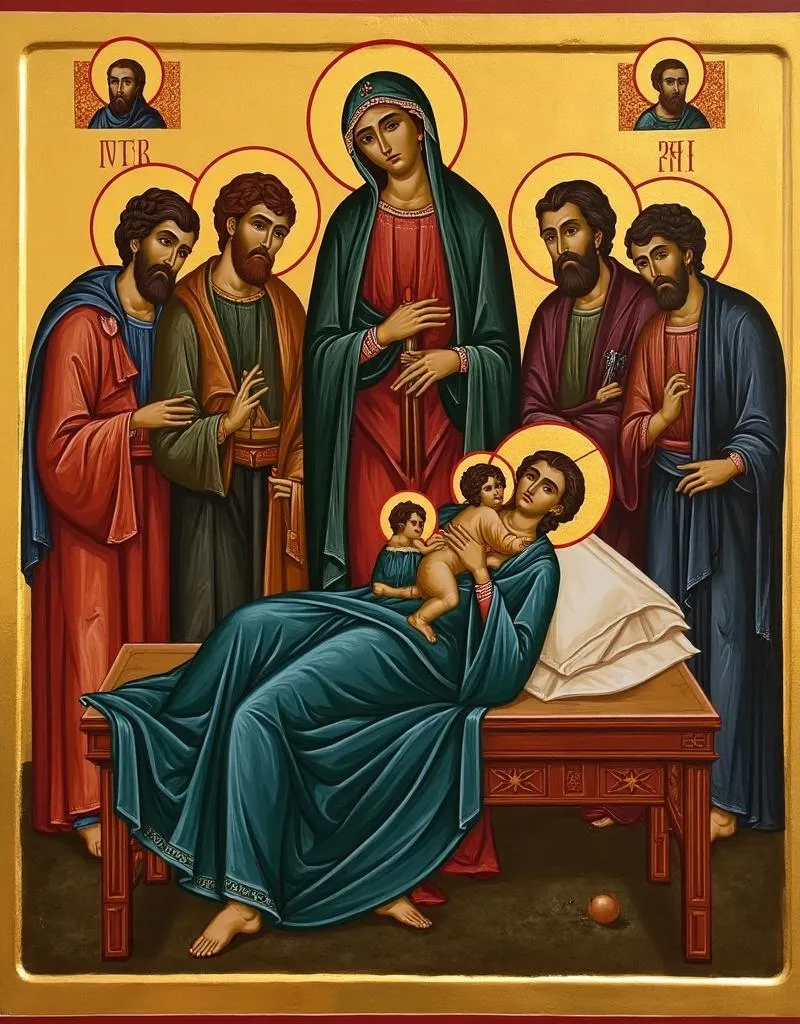
The Dormition (Falling Asleep) of the Theotokos
Theotokos
15th century · Russian
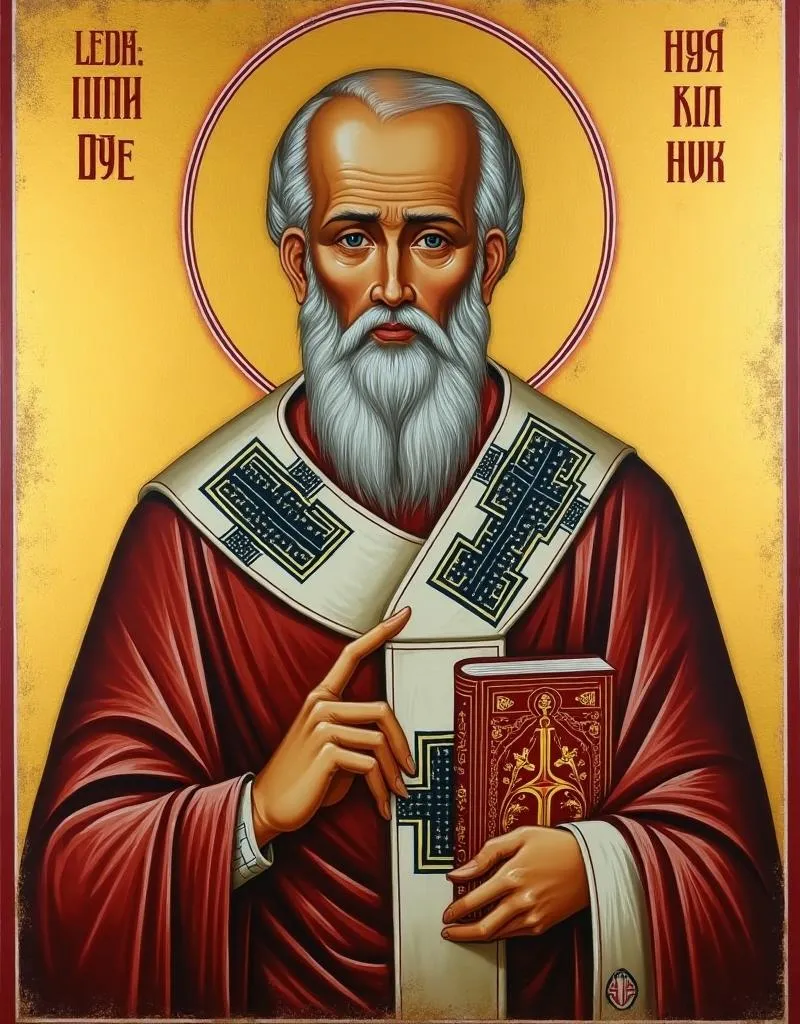
St. Nicholas the Wonderworker
Saints
13th century · Russian
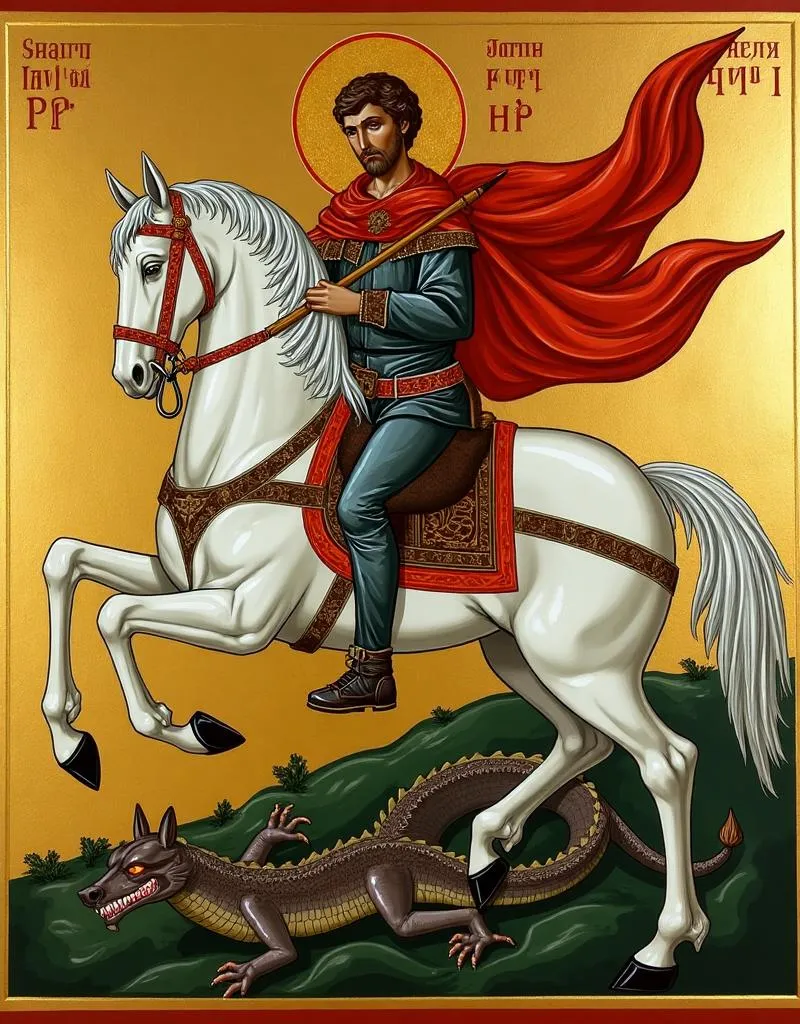
St. George the Great Martyr
Saints
15th century · Novgorod
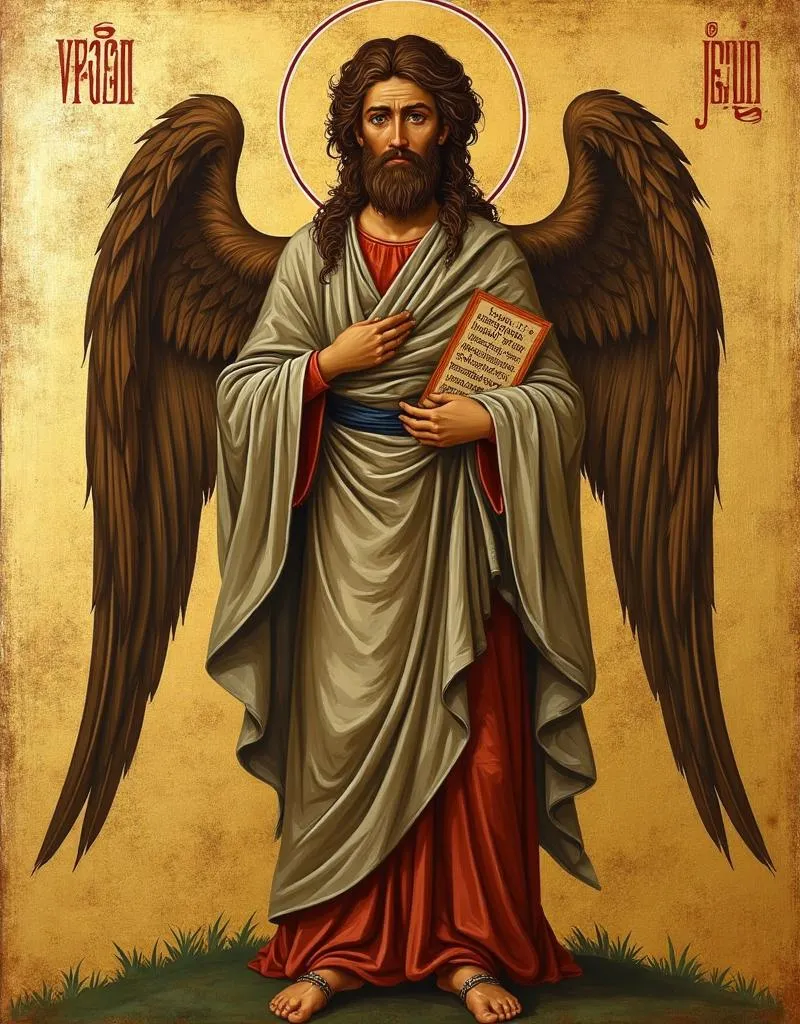
St. John the Baptist, Forerunner of the Lord
Saints
14th century · Byzantine
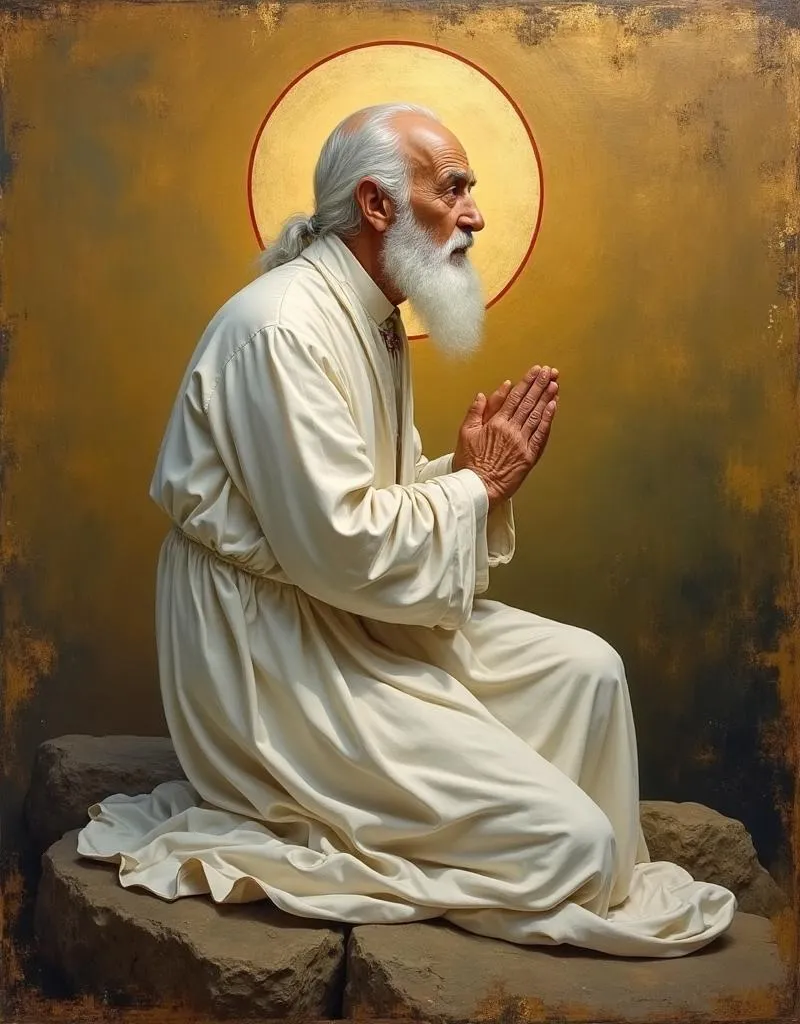
St. Seraphim of Sarov
Saints
19th century · Russian
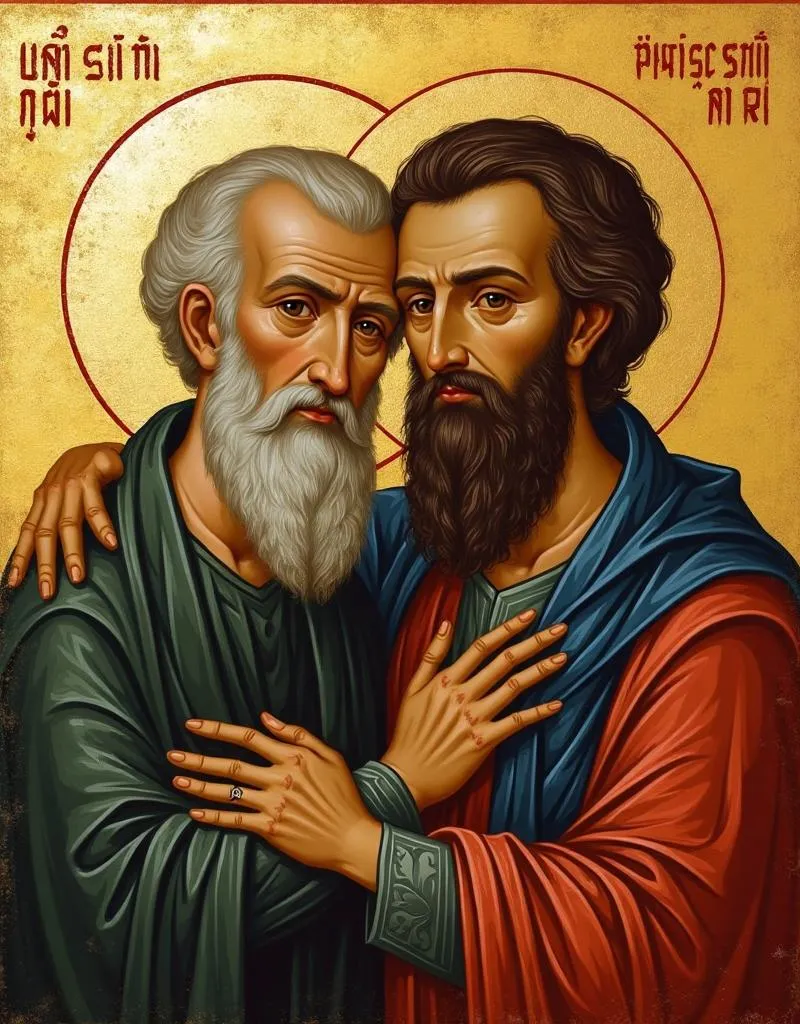
The Holy Apostles Peter and Paul
Saints
14th century · Byzantine
Halo (Nimbus)
SymbolThe circle of light around the head of Christ, the Theotokos, angels, and saints, indicating their sanctity and participation in divine light.
Cross-Inscribed Halo
SymbolA halo containing a cross, used exclusively for Christ. Within the three visible arms of the cross appear the Greek letters Ο ΩΝ, meaning 'The Existing One' — God's name revealed to Moses.
Mandorla
SymbolAn almond-shaped aureole of glory surrounding the full body of Christ or the Theotokos, representing the uncreated divine energy and heavenly glory.
Scroll
SymbolHeld by prophets, teachers, and some saints, representing their teaching, prophecy, or the word of God they proclaimed.
Cross
SymbolThe instrument of Christ's death, transformed into the symbol of victory over death. Depicted in various forms: the simple cross, the patriarchal (two-barred) cross, and the three-barred Russian cross.
Stars on the Theotokos
SymbolThree stars depicted on the Theotokos's maphorion (veil) — one on each shoulder and one on the forehead — symbolizing her virginity before, during, and after the birth of Christ.
Blessing Hand
GestureChrist's right hand raised with fingers forming the letters IC XC (the Greek abbreviation of Jesus Christ), simultaneously blessing the viewer and proclaiming his identity.
Oranta Gesture
GestureArms raised in prayer with palms open and facing outward — one of the oldest Christian prayer postures, used especially for the Theotokos in the Oranta and Platytera icon types.
Pointing Hand (Hodegetria)
GestureThe Theotokos's right hand gesturing toward the Christ Child, literally 'showing the way' to salvation — the defining gesture of the Hodegetria icon type.
Covered Hands
GestureHands covered by a cloth when receiving or holding a sacred object, expressing reverence and the recognition that the object is too holy for direct human contact.
Gold
ColorRepresents divine, uncreated light — the glory of the Kingdom of Heaven and eternity. Gold backgrounds in icons are not decorative but theological: they depict the reality of heaven itself.
Blue
ColorRepresents heaven, mystery, and the divine realm. Christ typically wears blue (his divine nature) under red (his humanity), while the Theotokos wears red under blue (humanity assumed into the divine).
Red / Vermillion
ColorRepresents life, the blood of Christ, martyrdom, and the Resurrection. Martyrs are often depicted wearing red garments. The red of Christ's garments signifies his humanity and his life-giving sacrifice.
Purple
ColorRepresents royalty, priesthood, and the union of divine (blue) and human (red). Christ and the Theotokos are frequently depicted in purple garments.
White
ColorRepresents purity, holiness, and the transfigured light of God. The garments of Christ at the Transfiguration become 'white as light.' Angels and the risen Christ are often shown in white.
Green
ColorRepresents life, nature, the Holy Spirit, and spiritual renewal. Prophets and the Forerunner (John the Baptist) often wear green garments, connecting them to the living word of God.
Brown / Earth Tones
ColorRepresents humanity, earth, humility, and the material world. Monks and ascetics are typically shown in brown or earth-toned garments, reflecting their renunciation of worldly glory.
Black
ColorRepresents death, the tomb, the unknown, and evil. Used sparingly in iconography — typically for the abyss of Hades, the cave of the Nativity, or the empty space from which creation emerges.
IC XC
InscriptionThe Greek abbreviation of IHCOYC XPICTOC (Jesus Christ), appearing on every icon of Christ. The letters are typically placed on either side of Christ's head.
MP ΘY
InscriptionThe Greek abbreviation of MHTHP ΘEOY (Mother of God), appearing on every icon of the Theotokos. The letters affirm the dogmatic title defined at the Council of Ephesus (431 AD).
Ο ΩΝ (Ho On)
InscriptionGreek for 'The Existing One' or 'I AM' — God's self-revelation to Moses at the burning bush. These letters appear in the three visible arms of Christ's cross-inscribed halo.
NIKA
InscriptionGreek for 'Conquers' or 'Is victorious.' Often appears with the Cross: IC XC NIKA — 'Jesus Christ Conquers.' A proclamation of Christ's victory over death.
Reverse Perspective
CompositionA compositional technique in which objects in the background appear larger rather than smaller, and parallel lines diverge rather than converge. The vanishing point is not behind the image but in front — in the viewer.
Gold Background
CompositionThe gold background in icons is not a sky or a wall — it is the uncreated light of God, the timeless reality of the Kingdom of Heaven in which the saints dwell.
Elongated Figures
CompositionBodies in icons are deliberately stretched and elongated, de-emphasizing physical bulk in favor of a spiritual, transfigured appearance — bodies that are reaching toward heaven.
Architectural Elements
CompositionBuildings and architectural structures in icons serve symbolic rather than realistic purposes. A draped cloth between two buildings indicates an interior scene. A city wall represents Jerusalem. Buildings are rendered in reverse perspective.
Omophorion
VestmentThe distinctive stole worn by Orthodox bishops over both shoulders, draped in a Y-shape. It represents the bishop as a shepherd carrying the lost sheep on his shoulders.
Gospel Book
ObjectThe book of the Gospels, held by Christ (as the Word of God), by bishops (as teachers of the faith), and placed on the altar as the symbol of Christ's presence in his word.
Censer
ObjectA vessel for burning incense, held by angels and deacons. The rising incense symbolizes prayers ascending to God. Angels with censers appear in icons of worship and liturgical scenes.
Maphorion
VestmentThe veil or mantle worn by the Theotokos over her head and shoulders, typically dark red or purple. It bears three stars (on the forehead and each shoulder) representing her perpetual virginity.
Uncreated Light
SymbolThe divine energy of God that is experienced by the saints — not created light (like sunlight) but the very glory of God. Depicted in icons through gold, white rays, and the mandorla.
Deesis
CompositionA compositional arrangement showing Christ enthroned at center, flanked by the Theotokos on his right and St. John the Baptist on his left, both turned toward him in intercession.